

Introduction
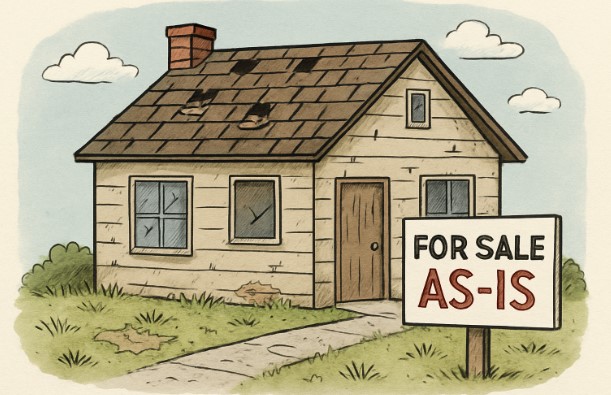
When considering selling your home, the idea of selling “as-is” will inevitably cross your mind. This approach can offer relief for homeowners looking to avoid lengthy preparations or costly repairs. For homeowners in the Oklahoma City area, resources like webuyhousesokcmetro.com offers a solution to sell your house quickly, without renovations. But what exactly does it mean to sell as-is, and is it the best option for your circumstances?
Selling as-is carries both clear advantages and significant considerations. In this article, you’ll discover what an as-is home sale really involves, reasons sellers choose this route, and what you should think about before deciding to list your home without making repairs.
Selling your home as-is can appear straightforward, but there are important implications. Knowing what you’re responsible for, how it affects your sales price, and the alternatives available will help you navigate this process. Whether you are facing urgent financial constraints, relocating for a job, or simply don’t want to handle repairs, understanding your options will empower you to move forward with confidence.
Reasons Homeowners Opt for As-Is Sales
Many homeowners weigh the option of selling as-is for compelling reasons:
- Financial Constraints: Some sellers simply don’t have the available funds to address repairs or cosmetic improvements.
- Time Sensitivity: When homeowners need to relocate quickly, waiting for repairs can be a luxury they cannot afford.
- Inherited Properties: Inheriting an older home, often from out of town, can be overwhelming. Selling as-is helps families simplify estate management.
- Extensive Repairs: If a property needs significant work, such as foundation repairs or a new roof, sellers may decide the investment is not worthwhile, making an as-is sale a more practical solution.
Pros and Cons of Selling As-Is
Every home-sale approach comes with trade-offs. Here are the primary advantages and drawbacks to keep in mind:
- Pros:
- Transactions can happen more quickly since repair negotiations and delays are minimized.
- Sellers avoid the costs associated with repairs and upgrades, preserving more of their resources.
- Investor buyers or those looking for fixer-uppers often seek as-is sales.
- Cons:
- Homes sold as-is are often priced lower, as buyers factor in anticipated repair costs.
- Many traditional buyers want move-in-ready homes, which may shrink your buyer pool.
- Prospective buyers may be suspicious of underlying problems that are not listed, making negotiations more challenging.
Legal Obligations and Disclosures
As-is sales must comply with state and federal disclosure requirements. Sellers are still obliged to reveal all known material defects. This could include foundation issues, a leaking roof, or major appliance failures. Companies like Revive Real Estate, LLC often guide sellers through this process to ensure compliance and smooth transactions. Full disclosure builds trust and mitigates the risk of post-sale disputes. Failing to disclose problems can lead to lawsuits or forced buybacks.
Impact on Market Value
When you sell your house as-is, expect buyers to submit lower offers. They usually subtract estimated repair costs when making an offer to avoid overpaying. While you might avoid upfront expenses, the final selling price is typically lower than for a fully updated home. To understand your home’s correct as-is value, reach out to a real estate agent with experience in your market.
Alternatives to As-Is Sales
If your primary concern is maximizing profit rather than speed or convenience, several other methods can help make your property more attractive to buyers.
- Minor Repairs: Affordable, visible repairs such as patching drywall, painting rooms, or fixing leaky faucets can add value and attract more buyers.
- Pre-Listing Inspections: Having a professional inspection before listing uncovers problems that you can fix or disclose, supporting more transparent negotiations.
- Staging: Presenting a home with furniture, good lighting, and minimal clutter can help buyers picture themselves living there, even if some repairs are still required.
Final Thoughts
Selling your house as-is offers simplicity and speed, appealing especially to homeowners who need quick solutions or want to avoid repair costs. However, this route may mean accepting a lower sale price and limiting your pool of buyers. To make the best decision, consider your personal situation, your home’s condition, and your financial goals. Consulting real estate professionals, understanding your disclosure obligations, and weighing the alternatives will help you make a well-informed choice that suits your needs.

