

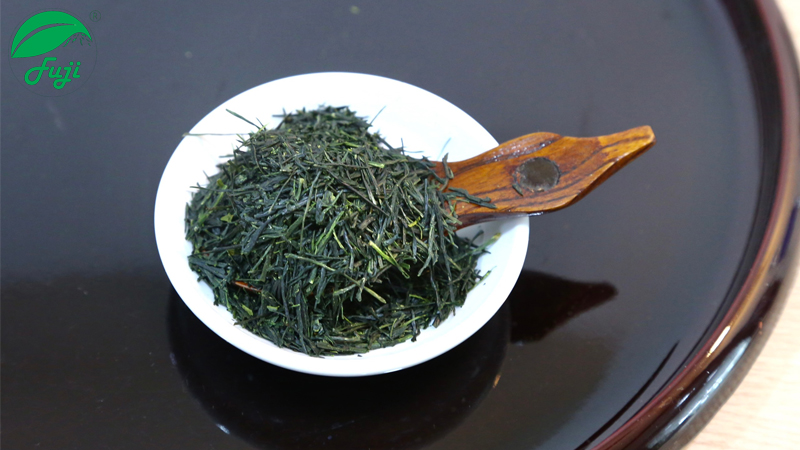
Japan is renowned for its rich tea culture, which has been meticulously cultivated over centuries. Among the various types of tea that Japan boasts, Sencha Tea is considered to be the quintessential Japanese green tea, representing the delicate balance of tradition and flavour that Japanese tea is celebrated for. Known for its refined taste and healthful properties, Sencha is a beloved staple in Japanese households and a sought-after experience for tea enthusiasts around the globe.
The Cultivation of Sencha Tea
Sencha Tea originates from the Camellia sinensis plant, with its unique characteristics derived from the specific methods of cultivation and processing employed in Japan. Unlike some green teas which are shade-grown, Sencha leaves are typically cultivated under direct sunlight, leading to the development of higher levels of catechins—a type of natural antioxidant found in tea leaves.
Harvesting and Processing
The process of making Sencha begins with the careful plucking of the tea leaves. The first flush of the season, known as “shincha,” is highly prized for its fresh and vibrant flavour profile. Following harvest, the leaves undergo a series of stages, including steaming, rolling, and drying. The steaming step is crucial as it halts oxidation, preserving the green colour and fresh flavour of the leaf.
The Health Benefits of Sencha Tea
Sencha Tea is not only appreciated for its flavour but also for its numerous health benefits. It is packed with antioxidants, particularly epigallocatechin gallate (EGCG), which is known for its cancer-fighting properties. Moreover, it contains vitamins C and E, and has been associated with better heart health, improved metabolism, and even stress reduction.
Brewing the Perfect Cup of Sencha
To fully appreciate Sencha Tea, proper brewing is essential. The ideal water temperature for Sencha is slightly cooler than that for black tea, typically around 70-80 degrees Celsius. Infusing the tea for one to two minutes is sufficient to extract its vibrant green colour and delicious umami flavour, without releasing excessive bitterness.
Savouring the Flavour Profile of Sencha Tea
Sencha is characterised by its appealing balance of sweetness, bitterness, and umami—a savoury taste distinctly present in Japanese cuisine. This complex flavour profile is accompanied by a fresh, grassy aroma that is both soothing and invigorating. The taste of Sencha can vary significantly depending on the region of origin, quality of the tea leaves, and the specific harvesting season.
Sencha Tea in Japanese Culture
In Japanese society, Sencha Tea plays an integral role. It is often consumed daily, reflecting the Japanese approach to wellness and balance in life. Beyond its health benefits, it is an important element in social ceremonies and hospitality, encapsulating Japan’s ethos of careful attention to detail and respect for nature.
The Varieties of Sencha Tea
There are several grades of Sencha, ranging from the highest-quality ceremonial-grade to the more common daily drinking varieties. The grading is influenced by factors such as the size and shape of the leaves, the time of harvest, and processing techniques. Even within the category of Sencha, aficionados will find a breadth of flavours and qualities to explore.
Pairing Sencha Tea with Food
Sencha Tea is versatile and complements a wide array of foods. Its refreshing quality makes it an excellent palate cleanser. It pairs exceptionally well with traditional Japanese cuisine and is equally adept at enhancing the flavours of lighter Western dishes, such as salads and seafood.
Storing Sencha Tea for Freshness
To maintain the delicate flavour of Sencha Tea, proper storage is crucial. It is best kept in a cool, dark place, away from strong odours. Air, moisture, and light can degrade the quality of the tea, so airtight containers are preferable for preserving its freshness and extending its shelf life.
Exploring the World of Japanese Green Tea
While Sencha Tea is a wonderful introduction to Japanese green tea, the journey does not end there. Japan produces a rich tapestry of green teas, each with its own unique profile and heritage. Tea connoisseurs often find joy in exploring the breadth of Japanese green teas, including neighbouring varieties such as gyokuro and matcha.
Sencha Tea in Modern Health and Wellness
In today’s health-conscious world, Sencha Tea is gaining recognition as a natural beverage that supports a healthy lifestyle. Its antioxidant properties and potential to aid in weight loss and mental clarity are fitting for an era where wellness is paramount.
Conclusion
Sencha Tea stands as a symbol of Japanese tradition, capturing the art of tea that has been refined over many generations. Its rich history, intricate flavour, and health properties make it much more than a simple beverage—it is an experience that transports one to the serene gardens and temples of Japan. Whether you are a seasoned tea drinker or new to the wonders of Japanese green tea, exploring the world of Sencha Tea is an exquisite journey into the heart of Japanese culture.
Embarking on a Tea Journey
As the interest in traditional and specialty teas continues to grow globally, Sencha offers a perfect entry point for those looking to deepen their appreciation of green tea. The purity of its taste and the ceremony behind its consumption shape not just a simple act of drinking tea, but a moment of peace and reflection in our often hectic lives. So, go ahead and discover the remarkable essence of Japanese green tea with each warming sip of Sencha.

