

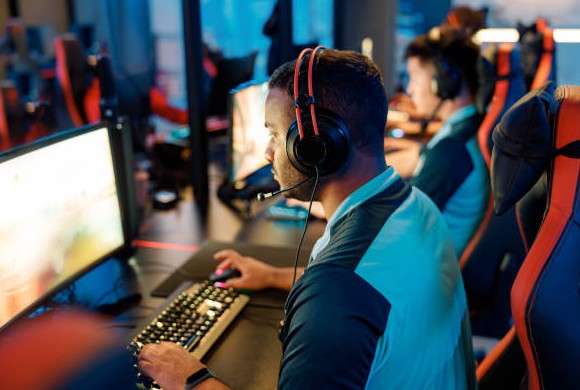
Why do so many people now treat online gaming as more than just a way to pass the time?
The answer is simple: it has become a place where people can play, learn, and feel connected. What used to be seen as a niche hobby now reaches kids, teens, and adults who log in for fun, but stay because the experience offers much more.
Online games are no longer just about scoreboards or quick matches. They can teach timing, communication, and problem-solving in ways that feel natural. They also give players a space to meet others, build routines, and share common goals.
People also use gaming spaces to relax after school, work, or family duties. Some join for competition, some for creativity, and some simply because it feels good to be part of a team.
Play That Feels Active, Social, and Skill-Based
Online gaming feels different from older forms of entertainment because it asks players to do something, not just watch.
Fast Decisions Build Mental Reflexes
Many games ask players to react quickly, read patterns, and make choices under pressure. That can help sharpen attention and improve comfort with fast-paced tasks. Players often learn to stay calm, spot details faster, and adjust when plans change.
Communication Matters During Team Play
Team-based games often depend on clear communication. Players learn to give short instructions, listen to others, and work toward a shared goal. Those habits can carry over into school projects, sports, and workplace settings.
Some players also use outside resources to better understand game rules, social spaces, or account access, and a site like https://logintangandewa.com/ can be part of that broader routine when people are trying to keep things organized.
Learning Happens In Small, Natural Ways
Online gaming teaches more than people often expect, and it usually happens without feeling like formal study. Players pick up skills by repeating actions, testing ideas, and learning from mistakes.
Problem Solving Comes From Trial And Error
Many games present obstacles that cannot be fixed with one quick move. Players may need to rethink a strategy, watch what others do, and try again. That process builds patience and shows that failure can be part of progress.
Reading Systems And Rules Builds Understanding
Games often have detailed rules, maps, menus, and reward systems. Learning how all of that works helps players practice reading carefully and remembering patterns. Younger players can build confidence here, while older players often enjoy the mental challenge.
For some people, gaming also becomes a way to learn about technology itself. They get used to settings, account controls, and online safety habits. Those small lessons can make digital spaces feel less confusing and more manageable.
Belonging Comes From Shared Time And Shared Goals
One of the biggest reasons online gaming matters is the sense of belonging it can create. People return not only for the activity, but for the people they meet along the way.
Regular Play Creates Familiarity
When players meet often, names become familiar and conversations get easier. That regular contact can make online spaces feel welcoming, especially for people who may struggle to connect in person. A shared game gives them a clear reason to talk.
Identity And Creativity Have Space To Grow
Many games let people choose characters, styles, or roles that feel personal. That freedom can help players express parts of themselves in a low-pressure setting. For some, it is a place to try new roles and feel seen by others.
Online groups can also be supportive during stressful times. A quick chat during a match or a message after a session can remind people that they are not alone.
Final Thoughts
Online gaming keeps growing because it speaks to basic human needs. People want fun, progress, and connection, and games can offer all three in one place. It works because the experience is active instead of passive. It rewards effort, gives room for improvement, and creates natural chances to interact with others. That makes gaming feel more meaningful than a quick distraction.

