


Starting a commercial construction project is a big job. It takes much more than drawings and a large budget. The key steps in planning a successful commercial construction project include a careful, multi-step process that focuses on a clear goal, the right experts working together, and early risk planning from start to finish.
Strong preparation is what supports a successful commercial build, helping your idea become a real project that stays within a realistic schedule and budget.
This process can feel complicated, but it can go smoothly when you use the right methods. From the first idea to the last details, every choice matters-every person on the team and every material you pick can affect the result. For example, protecting the building exterior, including the roof system, matters a lot for long-term performance.
Planning ahead, such as reviewing modern roof recovery options, can prevent major problems and expensive repairs later. Learn more about roof recovery options here: https://novaconstructionservices.com/services/roofing-waterproofing/roof-recovery/. This guide explains the main stages and best practices to help turn your commercial construction goal into a real, high-performing property.
What Are the Key Steps in Planning a Successful Commercial Construction Project?
A successful commercial construction project comes from careful planning and thinking ahead. Work starts long before anyone breaks ground. The process includes connected phases meant to reduce surprises and improve efficiency. Each step matters and supports the next one, creating a strong structure for the full project from start to finish.
Knowing these steps is more than checking boxes. It means planning early and staying ahead of problems. When you spot issues early, small mistakes are less likely to turn into big delays. A solid plan keeps the project focused on its goals, budget, and schedule, and helps deliver a space that fits its intended use.
Why Is Comprehensive Planning Important for Commercial Construction?
Thorough planning helps protect a commercial construction project from expensive problems that can cause delays and higher costs. Without this early groundwork, even small issues-like missing a permit deadline or ordering materials too late-can cause larger problems across the schedule, leading to extra weeks and costly change orders. This planning builds a strong base for the building and also for how the job will be managed.
Good preparation from owners also raises the chance of finishing on time and within budget. Research shared by groups like the Construction Industry Institute suggests that proper planning can improve the chance of success by up to 33%. A forward-looking plan that sets clear goals, builds the right team, reviews risks early, and keeps communication simple and clear is needed for commercial projects to go well.
What Are Common Pitfalls in Commercial Project Planning?
Even with good intentions, commercial projects can run into trouble if planning is not detailed. A common issue is scope creep, where extra features or changes are added beyond the original plan. This pushes costs higher and stretches the timeline. It often happens when the original idea is not clearly written down or the key decision-makers are not aligned early.
Another common issue is weak budget planning. Many projects go over budget because early cost estimates leave out key items. Small overruns also add up fast. Permitting delays, surprise site conditions, and not planning for long-lead materials can also create expensive downtime and major schedule problems. This is why a strong planning phase matters.
Phase 1: Project Conception and Feasibility
Every successful commercial construction project starts with a clear idea and a careful check of whether it can work. This first phase is often called pre-design or project initiation. It is where the major choices are made, and these choices affect every step that follows. The goal is to ask tough questions and get honest answers before spending large amounts of time and money.
At this stage, project managers and teams review requirements and goals, and they also check if the project makes sense overall. Creating a starter budget and timeline here sets realistic expectations and gives a baseline for future choices, so the project begins on solid information.
How to Define Business Needs and Project Objectives
Clear goals and objectives are the base of a successful commercial construction project. You need to explain what you want to build and why-maybe it is a new office space, a bigger location, or a facility with special needs. When the purpose is clear, the full team (architects, contractors, and others) can work toward the same goal.
Clear objectives also help define the project scope by listing specific outcomes and steps. These objectives describe what the project will deliver, when it should be finished, and what resources it needs. This works like a roadmap for decisions and budgeting. Setting limits early helps reduce scope creep and surprise problems, so teams can manage expectations and deliver what was planned.
Helpful questions include:
- What is the main purpose?
- Who are the key stakeholders and what do they want?
- What limits exist?
- How will success be measured?
- What risks might come up?
What Is Involved in Conducting a Site and Feasibility Analysis?
Before construction can start, a feasibility study is needed. This checks if the project is practical by reviewing items like site conditions, environmental rules, access to utilities, and zoning limits. A detailed site review helps find potential problems early, before they become expensive during construction.
This early work gives owners a realistic view of what the project requires and what risks may exist. It helps avoid mid-project surprises that can stop progress. This step also helps match the plan to real limits and supports more accurate early budgeting and scheduling.
What Risks Should You Assess Early On?
Reviewing risks early in the feasibility phase can prevent major issues later. One risk is being unrealistic about what is possible. People sometimes ignore high costs or site limits to get approval, but that can create big problems once work begins. Another risk is unclear contracts, which can lead to legal or financial disputes if roles and responsibilities are not clearly stated.
Keeping stakeholders aligned is also ongoing work. Without a strong Project Initiation Document (PID), people may request changes before design even starts, which can increase design work and costs. Site unknowns-like hidden utilities or soil contamination-can also make early budgets inaccurate. Finally, regulatory and zoning roadblocks can slow down the project, including zoning changes, local concerns, or delays in environmental reviews. Early contact with local agencies helps reduce these delays.
Phase 2: Assembling the Project Team
A commercial construction project needs many specialized skills, so the team you build matters a lot. This phase is not just hiring people-it is creating a group that works well together and understands each person’s role.
Architects, engineers, and the general contractor all bring different strengths. Choosing skilled professionals who also communicate well helps keep the project accurate and efficient from early design to final completion.
Which Professionals Play Critical Roles in Commercial Construction?
Commercial projects require a coordinated group of professionals, each with a different job. Architects turn the owner’s goals into designs that work well, look right, and meet code. Engineers-structural and MEP (mechanical, electrical, plumbing)-turn those designs into technical plans that support safety, performance, and reliability.
The general contractor manages daily site work, coordinates subcontractors, and helps keep the schedule and budget on track. Other key roles may include estimators (for detailed pricing) and consultants for environmental needs, ADA requirements, or special materials. Working together, these roles support design, building, and final delivery.
Nova Construction Services brings all of these roles together under one experienced team, ensuring seamless coordination from design through to completion.
When Should You Hire a General Contractor and Design Professionals?
Early collaboration is one of the most missed steps in commercial construction planning. It helps to bring the general contractor, architect, estimators, and key consultants together well before the design is final. This lets the team work as one group, with design choices shaped by real construction costs and site needs.
When the core team aligns early, they can spot buildability issues, suggest cost-saving options (often called value engineering), and confirm realistic schedule and budget targets. Projects that skip this step often face redesigns, permit delays, or unexpected cost increases because problems show up only after construction begins. Hiring the contractor before final design can save time and money.
Phase 3: Design and Pre-Construction Planning
Once the vision is clear and the team is in place, the project moves into design and pre-construction planning. This is where ideas become real plans. Sketches turn into detailed drawings and written specs. It is a busy period of teamwork, changes, and decisions that set up the technical side of the build.
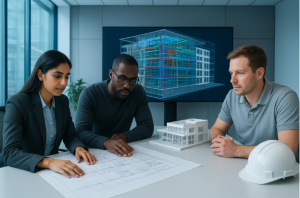
This phase is about more than appearance. It is also about code compliance and making sure all building parts work together. Choices made here affect cost, schedule, and results, so clear communication and detailed work matter.
How Does Collaboration Between Architects, Engineers, and Stakeholders Improve Outcomes?
Good teamwork between architects, engineers, and stakeholders leads to better results. Architects focus on the layout, function, and look. Engineers focus on systems and safety. Working together helps create a design that looks good, works well, stays safe, and fits the budget. It also lowers the chance of expensive redesign work later and supports compliance with rules like ADA and energy codes.
Stakeholder input (owners and end-users) during design helps make sure the final space meets real needs. Regular reviews and feedback help find conflicts early, before they are locked into the plans. This keeps goals consistent from concept through construction.
What Are the Stages of Commercial Design and How Do They Interact with Planning?
Commercial design usually moves through a few stages that connect closely to planning. It starts with schematic design, where the team creates early drawings for layout, purpose, and general look. Next is design development, where building systems (structural and MEP) are coordinated and materials start being selected.
After that, construction documents are created with final dimensions and details. These are used for pricing, bidding, and permits. Through each stage, planning stays active: cost estimates are updated as design details change, and schedules are revised as the plan becomes clearer. Many teams use Building Information Modeling (BIM) to build a digital model, catch clashes between systems, and avoid costly field changes.
Why Is Selecting Materials and Long-Lead Items Critical Early in the Process?
Picking materials early-especially long-lead items (LLIs)-helps protect the schedule and budget. Items like structural steel, major mechanical systems, custom windows, and specialty finishes can take months to arrive. If you wait until construction starts to choose and order these items, the risk of delays goes up, and the job can stop while waiting on deliveries.
By identifying these items early, checking lead times, and ordering them based on the schedule, teams can avoid downtime and keep work moving. Early procurement also helps reduce rush shipping costs and last-minute substitutions that can raise costs. Early material decisions help protect the project from supply chain changes.
Phase 4: Budget Development and Financial Planning
Commercial construction is a major financial commitment, so budget planning is a must. This phase goes beyond early rough numbers and reviews all expected costs to build a realistic financial plan.
The goal is to create a clear money plan that supports better decisions and reduces financial risk. That means planning for normal costs, planning for surprises, and tracking project finances closely.
How to Create a Realistic Budget for All Project Stages
A realistic budget includes much more than basic labor and materials. A full budget covers costs across all stages, from early planning to post-construction. It should include hard costs (materials and labor) and soft costs like permits, design fees, site work, inspections, financing, insurance, and temporary utilities.
Accurate budgeting requires input from owners, architects, and contractors. Cost estimators and past project data for similar builds can also help. This type of detailed budget supports smart planning and helps match spending to project goals.
What Contingencies Should Be Built into the Budget?
Even well-planned projects can run into surprise issues, so a contingency fund is required. Owners often underestimate how fast small overruns can add up. A common guideline is to include a 10-15% contingency fund to cover unexpected problems.
This money can cover surprises like poor soil conditions found during digging, price increases for materials, or new regulatory requirements. Setting aside this fund early lets teams solve problems without stopping work, finding new funding, or lowering quality.
How Do Scope, Schedule, and Budget Alignment Affect Project Success?
Scope, schedule, and budget are the main controls in project management, and keeping them aligned affects success. They are connected, so if one changes, the others usually change too. For example, if you add more scope but do not raise the budget or adjust the schedule, cost overruns or delays are likely.
Reviewing these three controls at each shift between project stages helps keep the job steady. It makes approvals simpler and supports better choices. When scope, schedule, and budget stay aligned, the project is more likely to stay on time, stay funded, and match the original plan.
Phase 5: Permitting, Approvals, and Regulatory Compliance
Permits, approvals, and code compliance are a major part of commercial construction and are often underestimated. If this work is not handled carefully, it can become one of the biggest causes of delays. This phase focuses on paperwork, communication, and following local, state, and federal rules.
Getting approval is more than a formality. It shows the project meets safety and environmental standards and fits community rules. Early coordination and complete documentation help this phase move faster and keep the project on schedule.
What Permits and Approvals Are Required for Commercial Projects?
Commercial projects usually need multiple permits before work starts and sometimes during the build. Common ones include building permits (to start construction) and occupancy permits (to legally use the building after completion). Many projects also need separate permits for electrical, plumbing, mechanical work, fire systems, and demolition.
Requirements vary by location, building size, and use. Depending on where the project is, permits can take weeks or months. This is why it helps to create a permit plan early to reduce delays and keep work moving.
How to Navigate Zoning, Environmental, and Accessibility Regulations
Managing zoning, environmental, and accessibility rules takes experience and early action. Zoning rules control how the land can be used and can affect building height, layout, and setbacks. Environmental rules may require studies, reviews, and plans to reduce impact, especially on sensitive sites. Accessibility rules like ADA require design choices that support access for all people.
Early communication with local planning departments and agencies helps. Adding approval timelines into the main project schedule reduces downtime. Submitting complete, code-ready architectural and MEP plans can reduce review time and lower the chance of revisions that can slow the project.
Phase 6: Procurement and Pre-Construction Preparation
After design is set and permits are moving forward, the project shifts into procurement and pre-construction prep. This phase turns plans into real purchases and signed agreements. It focuses on securing materials, equipment, and skilled labor so construction can start.
Procurement directly affects cost, schedule, and quality. It requires strong coordination and attention to timing so everything arrives when it is needed.
What Is Involved in Procuring Contractors, Materials, and Equipment?
Procurement turns the design into real commitments. It often starts with bidding, where final documents are sent to qualified contractors for pricing. After proposals are reviewed, contracts are signed that define scope, pricing, and how risk is handled.
Subcontractor screening is also important. This includes reviewing experience, safety record, insurance, and ability to handle specialized work. At the same time, teams order materials, focusing on a long-lead items. Equipment planning is also part of this phase, including rentals and delivery timing so equipment and materials show up when needed.
How Should You Address Long-Lead Deliveries and Avoid Delays?
Not planning for long-lead items (LLIs) is a common cause of delays. Items like structural steel, major mechanical systems, custom windows, and specialty finishes can take months to order and deliver. If these timelines are missed, the whole schedule can pause.
Once LLIs are identified, lead times should be confirmed and orders placed based on the project schedule. A procurement schedule that tracks each LLI helps, along with regular follow-ups with suppliers. Backup suppliers or alternate plans can also help reduce risk if supply chain problems occur.
Phase 7: Construction Execution and Project Monitoring
After months of planning, construction is where the project becomes real. This is the busiest and most visible phase, with constant on-site activity. But progress is not just about building-it also depends on tracking work and managing the plan as conditions change.
Strong execution requires coordination, documentation, and day-to-day oversight. The general contractor runs site operations, while the project team tracks progress, manages resources, and solves issues to keep work moving safely and efficiently.
What Is the Importance of a Detailed Project Schedule?
A detailed schedule is a working plan that guides the project through each phase. It lists key milestones, task order, and dependencies so the team understands what must happen and when. It also clarifies roles so people know what they are responsible for.
A realistic schedule should include extra time for common issues like weather delays, inspection timing, and supply problems. Regular schedule reviews and updates with the full team help keep everyone aligned and allow changes when needed. When the team follows the schedule, confusion drops and resources are used more effectively.
How Can Effective Communication and Collaboration Improve Project Progress?
Clear communication and strong teamwork keep construction moving. Even well-planned projects face challenges, like unexpected site conditions, trade coordination issues, or equipment problems. When people share information quickly, problems are handled faster and are less likely to cause major delays or extra costs.
Regular meetings-such as weekly reviews with the contractor, architect, and key stakeholders-help keep work transparent and organized. Written updates on progress, issues, and next steps keep everyone informed. When the team works together and solves problems early, the project moves forward with fewer disruptions.
Which Tools Help Track Progress and Maintain Quality?
During construction, the right tracking tools help maintain progress and quality. Key Performance Indicators (KPIs) can track progress against goals, daily production, and quality results. Regular site visits and milestone inspections by architects, construction managers, or third-party inspectors also help before major steps like concrete pours or closing up building systems.
Detailed project records also matter. This includes logs of site activity, field conditions, approved changes, and verification of completed work before payments. A responsibility matrix can also help by listing tasks, owners, and decision authority. Together, these tools give the team real-time oversight so they can spot problems early and correct them quickly.
Phase 8: Inspections, Quality Control, and Safety
As construction moves forward, more attention is placed on quality and safety. Inspections, quality checks, and safety management are required for commercial projects. This work confirms compliance, fixes issues, and protects everyone on the jobsite.
These checks are not only about meeting code. They help create a building that lasts and works well for future occupants. Ongoing quality and safety planning helps reduce rework, lower risk, and protect the long-term value of the project.
How to Ensure Safety Compliance and Manage Site Risks
Safety compliance and site risk control are major responsibilities throughout the project. Construction sites have real hazards, so safety must stay at the top of the list. This means creating strong safety rules early and enforcing jobsite requirements, including OSHA compliance.
A strong safety approach includes budgeting for safety program management and building safety steps into project plans. Regular safety checks help find hazards early. Backup plans for common risks-like equipment failures or unexpected site conditions-can prevent accidents and work stoppages. When safety is enforced consistently, injuries go down and the project is less likely to lose time.
Why Are Regular Inspections and Quality Assurance Checks Needed?
Regular inspections and quality checks help confirm the project matches the design and meets building codes and safety rules. Contractors, architects, construction managers, or third-party inspectors review work at key points to confirm it meets plans and industry standards. These checks are especially important before major steps like concrete placement or closing walls around systems, because problems are cheaper to fix early.
Ongoing quality work helps address issues quickly and prevents small defects from becoming larger performance or structural problems. This focus on quality helps deliver a building that lasts, meets expectations, and performs well for the owner.
Phase 9: Project Completion, Handover, and Post-Construction Support
After months (or years) of work, the project moves into completion and handover. This is when the finished space is turned over to the owner and is ready for real use. But completion is not just the end of construction-it also starts the period where long-term performance and support matter.
This stage includes final checks, fixing remaining items, and handing over documents and support info. A smooth handover and good post-construction support help protect the owner’s investment and keep the building working well over time.
What Steps Are Involved in Closeout and Occupancy Preparations?
Closeout begins when construction is substantially complete and the building is close to ready. The process usually starts with a final walkthrough with the client, general contractor, and architect to confirm the work matches expectations. A punch list is created to document incomplete or imperfect items that need to be fixed.
After the punch list is complete, final code inspections are done by local authorities. Once approvals are granted, a Certificate of Occupancy (or temporary approval) is issued so the owner can legally use the space. Building systems are also tested and commissioned to confirm they work as designed. The contractor then provides record drawings (showing field changes), operation manuals, warranty information, and maintenance guidance so the owner can run the building smoothly.
How Should You Address Deficiencies and Post-Construction Issues?
Even with strong quality control, small issues can show up after completion. Handling these quickly and professionally is a key part of good service and helps keep the owner satisfied. The punch list process is meant to catch and fix minor items before final handover.
After that, post-construction support is still important. This includes warranties and clear maintenance guidance. If issues come up later, the construction team should be available to help, whether it is a repair or advice on upkeep. This support protects the owner’s investment and helps build long-term trust.
Practical Tips to Prevent Delays and Cost Overruns
Avoiding delays and cost overruns in commercial construction takes planning and close management. It is less about luck and more about using good habits at every stage. From early planning to the final walkthrough, steady management can lower risk and keep the project on track.
The tips below focus on improving efficiency and handling problems early. Using these steps helps owners and teams manage difficult parts of the project with more confidence and fewer surprises.
Which Project Management Strategies Increase Efficiency?
Efficiency improves with a few key project management habits. Start by tying each phase to clear milestones, and make sure each stage ends with approved deliverables before the next one begins. This reduces downtime for workers and equipment. Also, keep scope, schedule, and budget aligned and review them at each major handoff between phases so changes are evaluated right away.
Managing phase handoffs carefully also matters. Do not move forward without reviews and sign-offs that confirm the project is ready. Planning ahead is also a major help: schedule work two to four weeks ahead, meet with subcontractors and suppliers on-site one to three weeks before tasks start, and have materials, tools, and equipment on-site two to three days before they are needed. This reduces stoppages and keeps crews working.
How Does Proactive Risk Management Benefit the Project?
Early risk management supports successful commercial construction by finding and handling problems before they become expensive or cause delays. Even well-planned jobs can run into issues like bad weather, labor shortages, or supply chain disruptions. When risk planning is added to the schedule and budget early, teams can handle these events more smoothly.
This includes setting backup plans, such as alternate suppliers, adjusting the work sequence when needed, and reserving budget funds for likely risks. Planning this way helps prevent the project from stopping when surprises happen. It supports faster decisions and avoids costly, last-minute fixes. Risk planning protects the budget, helps keep the schedule realistic, and supports meeting the project’s goals.
Planning a successful commercial construction project is not about luck-it is about preparation. It means creating a working plan that guides decisions, planning for challenges, and building a team culture based on teamwork and clear updates. By clearly defining your vision, hiring the right team early, addressing risks before they grow, and keeping communication consistent, your project can become more than a build-it can become a long-term asset.
A well-planned project is measured by more than the finish date. It is measured by lasting value, how well the space supports future needs, and how smoothly it fits into business operations. The goal is a building that meets today’s needs and is built with strong planning and quality work, ready to support your business for years. With the right plan, your project can run smoothly, bring long-term value, and reflect a clear vision built with care and professional skill.

