

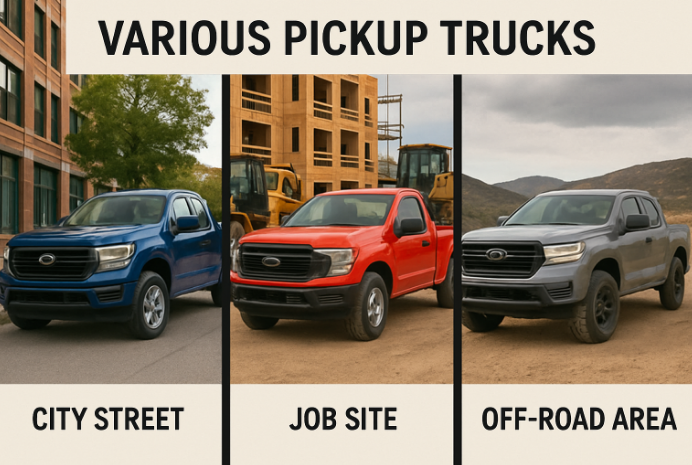
Finding the ideal pickup truck is about matching your needs with the right features, capabilities, and value. Whether you’re looking for a workhorse, a daily driver, or a rugged off-road vehicle, taking the time to explore your options will help you make a confident decision. If you’re searching for custom pickup trucks for sale, understanding your priorities will streamline the process and ensure you invest in a car that fits your lifestyle.
With numerous models and configurations available, narrowing down your choice may seem daunting at first. By focusing on core elements like performance, safety, comfort, and operating costs, you’ll be able to select a truck that checks all the boxes—without the headache. Use this guide as a roadmap to make an informed, satisfying, and long-lasting purchase.
Understanding Your Needs
The first step in choosing a pickup truck is to assess your requirements honestly. Think about how much payload you’ll regularly carry and the weight of trailers or equipment you may need to tow. Light-duty trucks are designed for everyday use and moderate hauling, making them ideal for families, commuters, or small business owners. Heavy-duty trucks, on the other hand, are built for substantial towing and payload tasks—perfect for commercial use or towing larger RVs and boats.
Keep the terrain and environment in mind as well. If your typical routes include rural roads or off-road paths, ground clearance and ruggedness become important. For those mainly sticking to city streets and highways, maneuverability and comfort may take precedence. Jot down your core expectations before browsing models, as this will quickly narrow your choices and prevent impulse buying.
Engine Options and Performance
Engines form the heart of every pickup, directly influencing capability and efficiency. Gasoline engines are widespread and generally cost less up front. They provide smooth, responsive driving—perfect for lighter loads and frequent stops. Diesel engines, with their high torque output, are favored by drivers who often tow heavy trailers or require the maximum hauling power from their vehicle. However, diesel trucks can be more expensive to maintain and fuel.
Hybrid and electric powertrains have made significant inroads into the market, offering eco-friendly alternatives that don’t skimp on power. These trucks significantly reduce fuel costs and emissions while still delivering ample torque for daily tasks. Refer to trusted resources, such as Car and Driver’s pickup truck guide, to compare engines and find the optimal balance between power and efficiency for your specific needs.
Drive Configuration
A truck’s drive configuration impacts its traction, stability, and handling in varying conditions. Rear-wheel drive (RWD) is more commonly found in city and highway trucks, providing solid traction when loaded. For those facing snow, mud, or off-road conditions, four-wheel drive (4WD) or all-wheel drive (AWD) are top picks. 4WD is particularly robust for off-roading, while AWD offers added confidence on wet or slick roads, automatically distributing power as needed.
Consider your climate and intended truck use realistically when selecting the right drivetrain. For most suburban and city dwellers, RWD will suffice. However, if you plan to head off paved paths or live in a region with harsh winters, AWD or 4WD ensures you can drive safely and efficiently, regardless of the conditions.
Fuel Efficiency
Pickup trucks have made significant strides in fuel economy, driven by advancements in engine design and the increasing popularity of hybrids and electric vehicles. Truck shoppers will find that many modern V6 options provide respectable towing power while surpassing the miles-per-gallon stats of older V8s. Consider how much you’ll drive and your refueling needs, as savings can add up over the truck’s lifetime.
Hybrid, plug-in hybrid, and fully electric pickups can significantly reduce fuel costs and lower your carbon footprint. With improvements in range and recharging infrastructure, electric trucks have become realistic options for many buyers. The U.S. Department of Energy’s Fuel Economy Guide is a valuable tool for comparing models if fuel savings are a top priority.
Safety Features
Advanced safety features have become standard on many modern pickups. Key technologies to look for include adaptive cruise control, blind spot monitoring, forward collision warning, lane keeping assist, and automatic emergency braking. These systems not only protect drivers and passengers but may also help qualify for insurance discounts.
Industry ratings from authorities like the Insurance Institute for Highway Safety can help you further evaluate the safety performance of any truck model you’re considering. Safety should be a crucial part of your purchase criteria, especially if the truck will be used for family transportation.
Interior Comfort and Technology
Gone are the days when pickup trucks were strictly utilitarian. Today’s interiors often rival those of luxury vehicles, featuring available leather seating, premium sound systems, and ample legroom. The value of features such as heated/cooled seats, dual-zone climate control, and advanced infotainment systems cannot be overstated for those who spend long hours behind the wheel.
Connectivity is another essential aspect, with features such as Apple CarPlay, Android Auto, and Wi-Fi hotspots turning your truck into a mobile command center. Evaluate the user interface and quality of the infotainment system during your test drive—these are core aspects of everyday comfort.
Resale Value
Not all trucks hold their value equally. Some brands and models are renowned for their durability and reputation, which directly impact resale prices in the long run. Conduct research on depreciation rates before selecting a specific truck. You’ll find tools and reports published by sites like Kelley Blue Book and Edmunds that can guide your decision and help protect your investment.
Budget and Financing
Your budget encompasses more than just the sticker price—factor in fuel expenses, routine maintenance, registration, insurance, and unexpected repairs. Finance options abound, ranging from traditional loans to leasing programs, and even certified pre-owned deals for those seeking the best value. Comparing new and used trucks can uncover significant savings, especially if you’re open to recent models with low mileage.
By weighing each of these considerations and taking your time to shop around, you’ll be able to select a pickup truck that delivers years of reliability, comfort, and performance. An informed approach ensures that your new truck will not only meet your current needs but continue serving you well into the future.

