

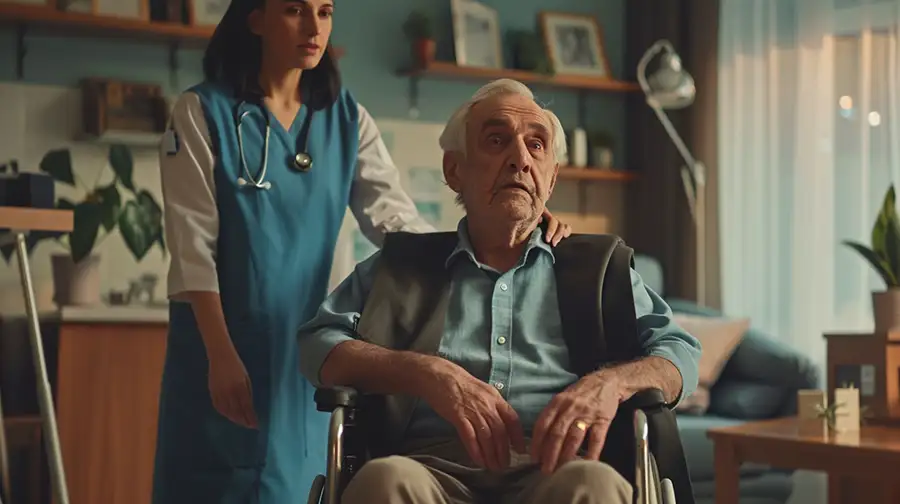
When a loved one enters a nursing home, families place immense trust in the hands of professionals to provide care, dignity, and safety. Unfortunately, that trust can be shattered when signs of neglect or abuse begin to surface. In Port St. Lucie, as the elderly population continues to grow, so too does the importance of ensuring accountability in long-term care facilities.
Florida law provides protections for nursing home residents, and families should be vigilant in recognizing when those rights are being violated. If you suspect that a relative is being mistreated, knowing what steps to take, legally and practically, can make all the difference. In these cases, working with a personal injury lawyer serving Port St. Lucie can help families uncover the truth, protect their loved one, and pursue justice.
Recognizing the Red Flags of Nursing Home Negligence
Neglect and abuse often manifest in subtle ways before escalating into serious harm. Because many residents may be unable to communicate their concerns clearly — due to dementia, mobility issues, or fear of retaliation, family members must remain observant. Some common signs include:
- Unexplained injuries: Bruises, cuts, or fractures that staff cannot account for.
- Poor hygiene: Dirty clothing, unwashed hair, or strong body odors may signal inadequate assistance with daily care.
- Sudden weight loss or dehydration: Malnutrition or lack of fluids may point to neglectful feeding or medical oversight.
- Bedsores (pressure ulcers): These often develop when immobile residents are left in the same position for too long without care.
- Emotional changes: Withdrawal, agitation, fearfulness, or signs of depression can stem from mistreatment or emotional abuse.
- Medication errors: Missed doses or overmedication may indicate serious oversight or intentional harm.
While one incident may be a mistake, patterns of behavior or multiple red flags should not be ignored.
Types of Nursing Home Abuse and Neglect
Nursing home mistreatment comes in many forms. Understanding the different types of abuse can help families recognize whether what they’re witnessing crosses a legal line.
1. Physical Abuse
This includes hitting, slapping, pushing, or rough handling. It may also involve the improper use of restraints.
2. Emotional or Psychological Abuse
Shouting, belittling, ignoring, or isolating a resident can inflict deep emotional harm and create a toxic environment.
3. Neglect
Neglect occurs when staff fail to meet a resident’s basic needs — such as food, hygiene, medical care, or supervision — whether intentionally or due to understaffing.
4. Sexual Abuse
Though difficult to talk about, sexual abuse does occur in nursing homes and often goes unnoticed due to a victim’s fear or inability to report it.
5. Financial Exploitation
Unauthorized withdrawals, sudden changes to wills, or missing personal items may be signs that someone is taking advantage of the resident financially.

What Laws Protect Nursing Home Residents in Florida?
The Florida Nursing Home Residents’ Rights Act guarantees several protections for individuals in long-term care facilities. These rights include:
- The right to be treated with respect and dignity
- Access to proper health care and medical treatment
- Freedom from abuse, neglect, and exploitation
- The ability to communicate freely with others, including family
- Access to grievance procedures without retaliation
In addition to state protections, the federal Nursing Home Reform Act mandates that facilities maintain the highest practicable physical, mental, and psychosocial well-being of each resident.
When these rights are violated, families have the legal authority to pursue claims for damages, including medical expenses, pain and suffering, and, in cases of severe harm, punitive damages.
Steps to Take if You Suspect Neglect or Abuse
If you suspect that your loved one is being mistreated in a Port St. Lucie nursing home, swift and documented action is critical.
1. Document Everything
Take photographs of injuries or poor conditions and keep written notes of concerning behaviors or incidents. Save any medical records or written communications from the facility.
2. Speak With Facility Management
Sometimes, problems stem from a specific caregiver or oversight that management is willing to address. Make your concerns known in writing and request an internal investigation.
3. File a Complaint with the State
You can file a complaint with Florida’s Agency for Health Care Administration (AHCA) at any time. This can trigger a formal investigation into the facility’s conduct.
4. Move Your Loved One If Necessary
If the situation appears dangerous or life-threatening, seek alternative care immediately.
5. Consult With an Attorney
A personal injury lawyer serving Port St. Lucie with experience in elder abuse cases can help you build a claim, preserve evidence, and ensure your loved one’s rights are fully enforced.
The Role of a Personal Injury Lawyer in Nursing Home Claims
Proving neglect or abuse is not always easy — especially when a facility denies wrongdoing or refuses to cooperate. A skilled attorney can:
- Subpoena records and surveillance footage
- Interview staff and other residents
- Consult with medical experts
- Negotiate or file lawsuits against the facility
- Ensure compliance with reporting requirements
In tragic cases where a resident passes away due to abuse or neglect, the family may be eligible to file a wrongful death claim.

Don’t Ignore Your Instincts — Take Action
If something feels wrong, it probably is. Families are often the last line of defense for vulnerable residents who cannot speak for themselves. By knowing your loved one’s rights and being prepared to act, you can help prevent continued harm — and hold negligent facilities accountable for their actions.
To explore legal options after suspected nursing home negligence, contact Frankl Kominsky Injury Lawyers for a confidential case review and support.
About the Author
This article was written by a legal content writer with expertise in elder care law and Florida personal injury regulations. With a passion for translating complex legal topics into clear, actionable guidance, their goal is to help families understand their rights and advocate confidently on behalf of their loved ones.

