

Nepal is a trekker’s paradise, home to the highest mountains on Earth and trails that wind through remote villages, ancient monasteries, and pristine landscapes. For travelers looking to experience the full spectrum of Himalayan beauty and culture, four treks stand out: the Annapurna Circuit Trek, Everest Three Pass Trek, Manaslu Trek, and Everest Base Camp Trek. Each offers a distinctive viewpoint of Nepal’s terrain—from lavish valleys to elevated passes and cold monsters. This article offers a one of a kind combination diagram of these four world-famous treks, along with point by point bits of knowledge for visitors and globe-trotters.
Annapurna Circuit Trek – The Classic Trail of Himalayan Diversity
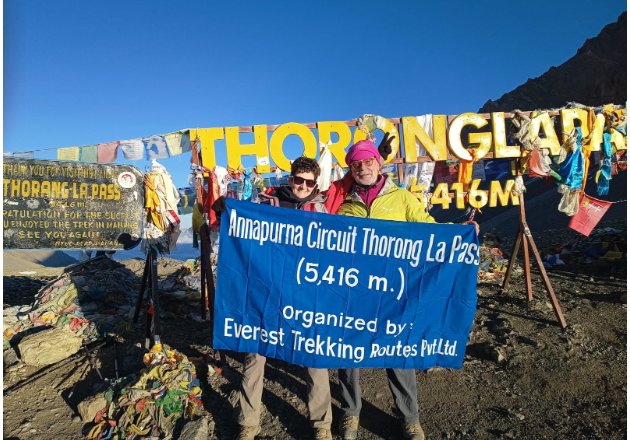
The Annapurna Circuit Trek is often dubbed the most diverse trekking route in Nepal. This famous travel circles the Annapurna Massif, advertising trekkers an ever-changing scene of subtropical woodlands, rice patios, dry high-altitude deserts, and snow-capped crests. Ordinarily completed in 14–18 days, the course starts at Besisahar and comes full circle with the crossing of the Thorong La Pass at 5,416 meters—the trek’s most noteworthy point. Along the way, trekkers experience charming Gurung and Thakali towns, old cloisters, and hot springs in Tatopani. A major highlight is the emotional move from green woodlands to the high-altitude territory of Colt. The Annapurna Circuit is well-supported with teahouses and guesthouses, making it open to both solo and guided trekkers. It’s perfect for those looking to investigate social assortment and witness a few of the world’s most dazzling landscapes—all inside one extraordinary travel.
Everest Three Pass Trek – The Ultimate Everest Challenge
The Everest Three Pass Trek is one of the most demanding and rewarding treks in the Everest region. Unlike the traditional Everest Base Camp route, this trek ventures deeper into the Khumbu wilderness by crossing three high passes: Kongma La (5,535 m), Cho La (5,420 m), and Renjo La (5,360 m). These passes interface the valleys of Imja, Gokyo, and Bhote Koshi, advertising marvelous sees of Everest, Lhotse, Makalu, Cho Oyu, and endless other crests. This 18–22 day experience moreover incorporates visits to Everest Base Camp and the Gokyo Lakes, making it a comprehensive investigation of the Everest locale. Due to the specialized requests and tall heights, it is best suited for experienced trekkers looking for a physical and mental challenge. But for those who are well-prepared, it conveys unmatched rewards—alpine lakes, confined trails, social experiences with Sherpas, and all encompassing seas that appear to extend into forever.
Manaslu Trek – A Remote Circuit through Untouched Beauty
The Manaslu Trek is a gem for trekkers seeking unspoiled trails and cultural immersion. Circling the eighth highest mountain in the world, Mt. Manaslu (8,163 m), this trek offers a perfect blend of nature, culture, and adventure. The journey begins in Soti Khola and takes about 14–18 days to complete. The highlight is the crossing of Larkya La Pass (5,160 m), a breathtaking point that offers clearing sees of Himlung Himal, Cheo Himal, and Annapurna II. What sets Manaslu apart is its remoteness—fewer trekkers wander here, which implies calmer trails and more bona fide experiences with ethnic bunches like the Nubri and Tsum individuals. The locale was opened to tourism in the 1990s, and licenses are still controlled to protect its flawless environment. Manaslu offers a comparable involvement to the Annapurna Circuit but with less swarm and a more tough climate. It’s a genuine Himalayan enterprise for those who pine for isolation and crude excellence.
Everest Base Camp Trek – The Bucket-List Journey
The Everest Base Camp Trek is the most iconic trekking route in Nepal—and perhaps the world. Leading to the foot of Mount Everest (8,848.86 m), the trek takes around 12–14 days and begins with a thrilling flight from Kathmandu to Lukla.From there, trekkers pass through amazing Sherpa towns like Namche Bazaar, Tengboche, and Dingboche, encountering both social profundity and common greatness. The way comes full circle at Everest Base Camp (5,364 m) and Kala Patthar (5,545 m), where climbers are remunerated with all encompassing sees of Everest, Nuptse, and the Khumbu Ice sheet. The course is well-established with teahouses and eateries, making it appropriate for both solo travelers and guided bunches. Whereas not the most physically requesting journey compared to the Three Passes or Manaslu, the height and territory still display a genuine challenge. EBC remains a bucket-list involvement, combining breathtaking views with the soul of the Himalayas.
Why These Treks Stand Out: Unique Qualities of Each
Each of these treks has something special to offer. The Annapurna Circuit is unmatched in its diversity of landscapes and cultures. In just a few days, you’ll go from rice paddies to high-altitude deserts, passing through Hindu and Buddhist communities. The Everest Three Pass Trek is a must for thrill-seekers—it’s longer, more remote, and provides the best mountain vistas in the Everest region, including the tranquil Gokyo Lakes. The Manaslu Trek is the perfect middle ground for those who want a remote, less commercialized route without sacrificing mountain views and cultural depth. Lastly, the Everest Base Camp Trek is a rite of passage—suitable for determined beginners and seasoned trekkers alike, offering a close-up of Everest and rich Sherpa heritage. Together, these treks capture the essence of Himalayan adventure.
Trek Duration and Difficulty Levels
- Annapurna Circuit Trek: 14–18 days | Moderate to strenuous | Thorong La Pass at 5,416 m
- Everest Three Pass Trek: 18–22 days | Strenuous | Highest point at 5,535 m
- Manaslu Trek: 14–18 days | Moderate to strenuous | Larkya La Pass at 5,160 m
- Everest Base Camp Trek: 12–14 days | Moderate | Kala Patthar at 5,545 m
While all treks involve significant altitude gain, the Three Pass Trek is the most challenging in terms of terrain and physical stamina. The EBC Trek is relatively straightforward in terms of navigation and logistics, but still requires acclimatization and endurance.
Best Time to Trek
The best time to trek in all four regions is during the pre-monsoon (March to May) and post-monsoon (late September to early December) seasons. These windows offer the clearest skies, moderate temperatures, and stable conditions. Spring brings blooming rhododendrons along the Annapurna and Manaslu trails, while autumn features crystal-clear Himalayan views. Winter trekking is possible in lower regions, but high passes like Thorong La, Larkya La, and the Everest Three Passes are often closed due to snow. Summer is not recommended due to heavy monsoon rains, landslides, and limited visibility.
Permits and Regulations
Each trek requires specific permits:
- Annapurna Circuit: TIMS card, Annapurna Conservation Area Permit (ACAP)
- Everest Base Camp / Three Pass: Sagarmatha National Park Permit, Khumbu Pasang Lhamu Rural Municipality Permit
- Manaslu Trek: Manaslu Restricted Area Permit (RAP), Manaslu Conservation Area Permit (MCAP), and ACAP
For the Manaslu Trek, trekkers must be in a group of two or more and be accompanied by a licensed guide due to its restricted status.
Culture and People
The diversity of cultures encountered on these trails is immense. The Annapurna Circuit introduces trekkers to the Gurung, Thakali, and Manangi people, while the Manaslu Circuit allows encounters with Tibetan-influenced communities in Nubri and Sama Gaun. The Everest region is home to the legendary Sherpas, whose traditions, monasteries, and way of life are deeply rooted in Tibetan Buddhism. Teahouse hospitality is a highlight across all routes, with warm meals, cozy lodges, and cultural exchanges adding depth to the physical adventure.
Trekking Tips for Tourists
- Acclimatization is key: Always include rest days at altitude to avoid AMS (Acute Mountain Sickness).
- Train in advance: Cardiovascular fitness and stamina are crucial, especially for high-pass treks.
- Gear up properly: Invest in quality trekking boots, layers, and sleeping bags.
- Travel with a guide: Especially for the Manaslu and Three Pass Trek, having a local guide ensures safety and cultural insights.
- Go slow and hydrate: Altitude affects everyone differently—listen to your body and drink plenty of water.
Conclusion: Which Trek Should You Choose?
Choosing between these epic treks depends on your interface, wellness level, and sense of enterprise. If you’re looking for classic Himalayan travel with social and environmental differing qualities, go for the Annapurna Circuit. If you need a farther, true involvement, Manaslu is the rising star. For a bucket-list turning point, the Everest Base Camp Journey will fulfill long lasting dreams. But if you’re prepared for the extreme challenge with mind-blowing sees, the Everest Three Pass Journey will test and compensate you like no other.
Whichever journey you select, you’re not fair strolling a trail—you’re venturing into an ageless world of mountain enchantment, otherworldly lavishness, and human versatility. The Himalayas anticipate.
Contact Information
Address: 16-Khumbu, Nayabazaar, Kathmandu, Nepal
Mobile: +977-9843467921 (Rabin)
Email: [email protected]
Website: www.everesttrekkingroutes.com

