

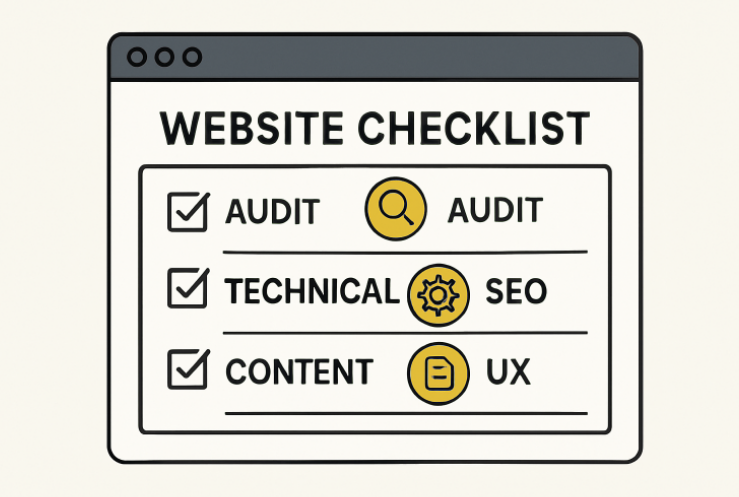
In the rapidly evolving digital environment, achieving top search engine rankings is more challenging than ever. A thorough, up-to-date SEO audit is the cornerstone of any effective optimization strategy, guiding websites in adapting to changes and capturing search visibility. Modern businesses, agencies, and site owners must focus on holistic optimization, integrating technical, content, and experience aspects. For anyone serious about competing online, expert SEO site auditing is now indispensable for identifying both hidden opportunities and critical issues that may be holding a site back.
Search engine algorithms are increasingly sophisticated, prioritizing user satisfaction and information quality above all else. Regular SEO audits are crucial for quickly addressing issues, maintaining site health, and ensuring you’re maximizing organic potential. By following a proven audit process, you can boost rankings, drive growth, and protect your site against unexpected drops in visibility. The following in-depth checklist will walk you through every major component you need to master for SEO success in 2026.
Technical SEO Assessment
Effective SEO starts with a solid technical foundation. Search engines rely on your site’s architecture, speed, and structure to discover and index content. A clear, logical hierarchy not only helps crawlers but also improves user navigation and experience. Clean URLs, strong internal linking, and up-to-date sitemaps lay the groundwork for robust SEO performance.
- Site Architecture and URL Structure: Maintain a simple and intuitive organizational structure, utilizing descriptive, keyword-friendly URLs to enhance both crawler accessibility and user comprehension.
- Core Web Vitals and Page Speed: Optimize your Largest Contentful Paint (LCP), Interaction to Next Paint (INP), and Cumulative Layout Shift (CLS) for best-in-class load times and site stability. These metrics are now prominent ranking factors.
- Mobile SEO Audit: Ensure your site is fully responsive, with readable text and tap-friendly buttons, allowing seamless navigation for the growing mobile-first audience.
- HTTPS and Security Signals: Security is non-negotiable—implement HTTPS across the site and secure all forms to both protect users and boost trust signals in search ranking algorithms.
- Duplicate Content and Canonicalization: Apply canonical tags to resolve duplicate content, ensuring that link equity is consolidated and that your most important pages are prioritized in search results.
- Structured Data and Schema Markup: Use relevant schema to clarify your site’s content types for search engines, increasing eligibility for enhanced results and improved click-through rates.
On-Page SEO Evaluation
On-page SEO ensures every page on your site is meticulously optimized for user intent and search engine understanding. Well-crafted metadata, strategic keyword placement, and strong content organization are all critical factors for relevance and visibility in 2026’s highly competitive search environment.
- Title Tags and Meta Descriptions: Write unique, keyword-focused titles and descriptions that compel users to click while reflecting genuine page content.
- Header Tags and Keyword Placement: Employ clear H1, H2, and H3 structures, using strategic keywords naturally to guide both readers and crawlers through your content.
- Content Optimization: Match user queries by aligning text with search intent, using direct answers and natural keyword integration while avoiding keyword stuffing.
Content Quality Analysis
Content is still king, but quality and usefulness are the new gold standard. Search engines reward sites that provide up-to-date, comprehensive information that resonates with their audience. Identify quick wins by targeting easy-to-rank long-tail keywords and update older posts to ensure evergreen authority. Engaging multimedia and well-structured information further boost performance.
- Identify Quick-Win Content Opportunities: Use keyword research to find topics where your site can easily gain traction, focusing on low-competition, user-specific queries.
- Refresh Existing Content: Regularly revisit old articles to add new insights, fix outdated data, and enhance visual and structural elements for readability.
User Experience (UX) Review
User experience is now deeply embedded in SEO algorithms, making seamless site navigation and satisfaction essential. Prioritize intuitive navigation, clear calls to action, and minimal friction from landing through conversion. Fast load speeds and thoughtful design align with evolving user expectations.
- Navigation and Site Structure: Keep menus simple and consistent, ensuring users can easily find information with just a few clicks.
- Page Load Speed: Compress images, streamline CSS/JavaScript, and embrace lazy loading techniques to consistently meet user patience thresholds.
- Mobile Usability: Test and refine the mobile user journey to guarantee smooth access and interaction on all device types.
Mobile-Friendliness Check
Mobile searches dominate the web, making mobile optimization critical for discovery and engagement. A responsive site isn’t just a recommendation—it’s a core necessity for serving and retaining users wherever they are.
- Responsive Design: Create flexible layouts that adapt to every screen size, maintaining both function and aesthetics.
- Mobile Page Speed: Optimize code, hosting, and content specifically for mobile networks to minimize load delays and frustration.
- Content Consistency: Double-check that mobile users enjoy the same quality experience and content depth as desktop visitors.
Backlink Profile Examination
Backlinks are still a foundational ranking factor, signaling trust and authority to search engines. A high-quality, well-managed backlink profile can make the difference between stagnation and growth. Focus on earning links from respected, topic-relevant sources and maintaining a natural anchor text profile for long-term stability.
- Quality Over Quantity: Prioritize reputable backlinks that come from high-authority, niche-appropriate domains.
- Anchor Text Diversity: Maintain a varied yet relevant anchor text profile to avoid search penalties and signal genuine engagement.
- Regular Audits: Routinely review and disavow toxic links that could harm organic rankings and reputation.
Local SEO Optimization
If your business serves a specific geographic area, local SEO is crucial for connecting with high-intent customers in that location. Optimize your Google Business Profile, build consistent citations, and encourage customer reviews to boost local search visibility and drive foot traffic.
- Google Business Profile: Ensure every field is complete, accurate, and up-to-date to enhance your prominence in local pack results.
- Local Citations: List your business on major directories and keep NAP (name, address, phone) data consistent across all platforms.
- Customer Reviews: Proactively request, monitor, and respond to reviews to foster trust and showcase quality service.
Performance Monitoring and Analytics
Continuous improvement requires precise, ongoing measurement. Set up robust analytics using tools like Google Analytics and Search Console to closely monitor your SEO efforts, adapt quickly to new trends, and celebrate your wins.
- Set Up Analytics Tools: Implement both basic and advanced tracking for user behavior, traffic sources, and SERP performance.
- Monitor Key Metrics: Track key metrics, including organic sessions, bounce rates, conversions, and keyword movement, for comprehensive oversight.
- Regular Reporting: Generate actionable reports to inform future optimizations and provide transparency on progress and areas for improvement.
Staying ahead in 2026 means embracing a dynamic, multi-faceted approach to website optimization. By following this structured audit checklist, you give your website every opportunity to thrive in a competitive and ever-changing digital ecosystem.

