

If you’re off-roading in a Sprinter, you will get stuck. Not might, will. It doesn’t matter how careful you are or how well you know your van. You will get stuck because:
- Soft sand looks deceptively firm until you’re axle-deep.
- That puddle you thought was six inches turns out to be eighteen.
- A hill you previously easily climbed when dry becomes an ice rink after rain.
Understanding what gets you stuck and what gets you out is the difference between a minor inconvenience and a very expensive tow truck call.
How Sprinters Get Stuck
Weight distribution on a Sprinter is not on your side. Sprinters are tall, long, rear-heavy boxes on relatively narrow tires. When those rear wheels start spinning in mud or sand, momentum disappears. You don’t gradually bog down in a Sprinter; you sink. While front-wheel-drive cars can sometimes power through soft terrain because their weight sits out front over the driving wheels, your Sprinter’s weight crushes down on its rear wheels, which are already fighting for traction, and brings forward motion to a halt.
Wheelbase length creates another problem. The long distance between axles means you’re more likely to high-center on obstacles or ruts. When your front wheels climb out of a hole while your rear wheels are still in it, your frame ends up resting on dirt, with all four tires spinning uselessly.
The Non-Negotiable Recovery Kit
But you love your Sprinter. So what should you do?
Invest in the following:
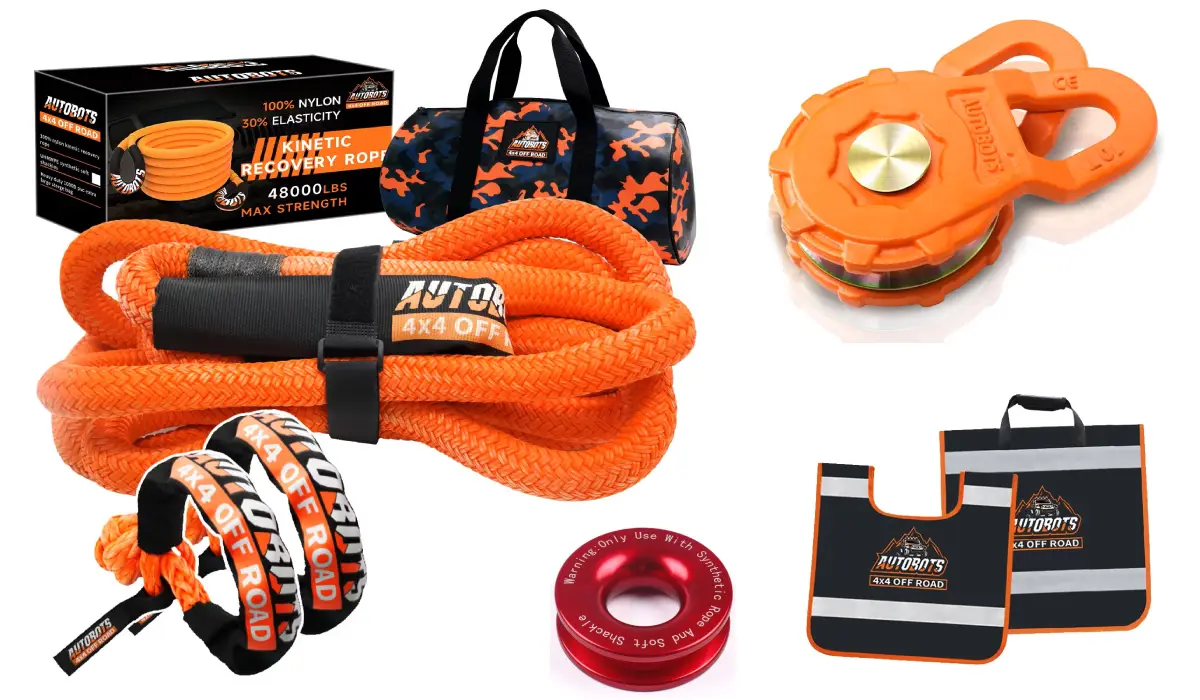
- Recovery Strap. A quality recovery strap is your first line of defense. Not a tow strap, those don’t stretch. You need a kinetic recovery strap rated for at least 30,000 pounds. The stretch absorbs shock and multiplies pulling force. Cheap straps snap under load, and a snapping strap becomes a missile that can kill someone. Spend money on a really high-quality strap.
- Shackles. Soft shackles connect your recovery strap to anchor points without the deadly projectile risk of metal D-rings. They’re lighter, easier to use, and they won’t crack your skull if something breaks loose during recovery. Get two rated for your vehicle’s weight.
- Shovel. A shovel sounds obvious, but many people don’t have one. You need to dig out around your tires to reduce resistance before any recovery attempt. A short-handled military-style shovel stores easily and moves dirt fast.
- Traction Boards. MaxTrax or something similar gives your tires something to grip, preventing them from spinning in sand, mud, or snow. You shove them under your drive wheels, ease onto them, and often drive right out. They work shockingly well and pack flat. Two boards minimum, four if you’re serious about off-roading.
- Recovery Points. Recovery points on your van are also mandatory. Factory tow hooks aren’t designed for the lateral forces of off-road recovery. Aftermarket Sprinter van accessories, like proper recovery hitch receivers or frame-mounted D-ring points, provide secure attachment points that won’t tear off under load.
Avoid Destroying Your Van
Here are some tips to help you get out of a bind without destroying your vehicle:
- Never attach straps to your bumper. Ever. Bumpers rip off. Attach them only to frame-mounted recovery points.
- Keep everyone away from the line of tension during recovery, stand behind vehicles or well to the side. More people get hurt watching recoveries than performing them.
- Rock back and forth gently. Sometimes shifting weight breaks suction in mud or repositions tires onto firmer ground.
- If you’re truly stuck, stop spinning your wheels. You’re just digging deeper and generating heat that can destroy your differentials.
And remember this: The best recovery is the one you avoid by recognizing bad terrain before you commit. But when avoidance fails, proper gear and knowledge keep a stuck van from becoming a disaster.

