

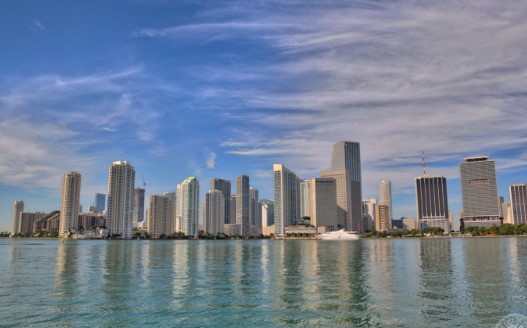
Miami’s tropical climate and coastal location create a unique environment that presents both advantages and challenges for water sustainability. The city relies heavily on the Biscayne Aquifer, which provides freshwater to millions of residents and businesses across South Florida. However, rapid urbanization and environmental pressures have created significant concerns about long-term water security.
Population growth continues to strain existing water infrastructure while climate change intensifies weather patterns. Rising sea levels threaten freshwater sources through saltwater intrusion, and extreme weather events can disrupt water treatment facilities. This blog covers the primary elements affecting sustainability of water in Miami and explores potential pathways toward securing reliable water resources.
Climate Change Impact on Water Resources
Climate change represents one of the most significant threats to Miami’s water sustainability. Rising temperatures increase evaporation rates from reservoirs and treatment facilities, reducing available freshwater supplies. Extreme weather events, including hurricanes and prolonged droughts, can damage water infrastructure and contaminate existing sources. Sea level rise poses an immediate danger to the Biscayne Aquifer through saltwater intrusion. As ocean levels increase, saltwater penetrates deeper into underground freshwater reserves.
Population Growth and Urban Development
Miami’s population has experienced substantial growth over recent decades, placing increased demand on water resources. Each new resident requires approximately 80-100 gallons of water daily for drinking, cooking, cleaning, and other essential activities. Commercial developments, hotels, and restaurants further amplify consumption rates across the metropolitan area. Urban development also affects natural water cycles through increased impervious surfaces. Concrete and asphalt prevent rainwater from naturally recharging groundwater supplies.
Aging Water Infrastructure
Much of Miami’s water infrastructure was built decades ago and requires significant upgrades to meet current standards. Aging pipes experience higher leak rates, wasting precious water resources and increasing operational costs. Older treatment plants may struggle to handle increased capacity demands while maintaining water quality standards. Infrastructure replacement involves substantial financial investments that many municipalities find challenging to fund. Delayed maintenance can lead to system failures, service interruptions, and potential contamination events.
Saltwater Intrusion Challenges
The Biscayne Aquifer sits just below ground level in many areas of Miami, making it particularly vulnerable to saltwater contamination. Over-pumping of groundwater creates pressure imbalances that allow saltwater to migrate inland from coastal areas. This intrusion can permanently damage freshwater reserves and render wells unusable.
- Monitoring systems track salinity levels in key aquifer locations
- Well-field management strategies help maintain pressure balances
- Buffer zones protect critical recharge areas from development
- Alternative water sources reduce dependence on vulnerable aquifers
Saltwater intrusion requires ongoing management through careful pumping schedules and protective measures around wellheads.
Water Treatment and Quality Concerns
Miami’s water treatment facilities must address various contaminants while processing increasing volumes of water. Source water quality can vary significantly based on seasonal rainfall, agricultural runoff, and urban pollution. Treatment plants require sophisticated filtration and purification systems to meet federal drinking water standards. Quality concerns extend beyond basic safety requirements to include taste, odor, and aesthetic properties that affect consumer satisfaction.
Conservation and Efficiency Measures
Water conservation programs help reduce overall demand while extending the life of existing resources. Residential conservation measures include low-flow fixtures, drought-resistant landscaping, and leak detection programs. Commercial and industrial users can implement recycling systems and efficiency upgrades to minimize consumption. Public education campaigns raise awareness about water conservation practices. Smart metering systems provide real-time usage data that helps identify leaks and promote conservation behaviors.
Water in Miami depends on addressing multiple interconnected challenges through coordinated planning and investment. Climate change, population growth, infrastructure needs, and environmental protection require balanced solutions that consider both immediate needs and long-term security. The path forward requires sustained commitment from government agencies, businesses, and residents working together to protect this essential resource.

