

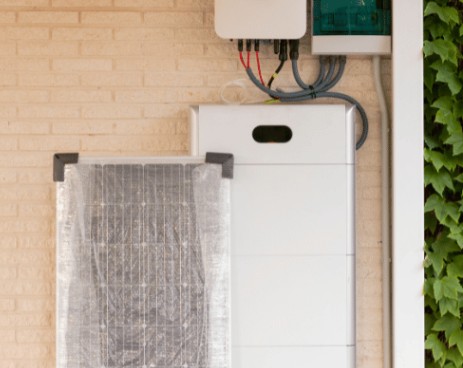
Choosing the right solar inverter is a key step in building an efficient, reliable solar power system. Selecting an inverter with the wrong capacity, compatibility, features, or operating specifications can reduce system performance, create installation challenges, and increase long-term costs. Explore the most common solar inverter selection mistakes and learn how to choose equipment that aligns with your system design, energy needs, and project requirements.
Choosing the Wrong Inverter Size
A common mistake is selecting an inverter based only on the total wattage of your solar panels. An inverter that’s too small can regularly reach its maximum power output, while one that’s too large will increase your costs without adding any benefit.
To avoid this problem, consider not only your panels’ total wattage, but also the system’s expected production, panel setup, local weather conditions, and any potential for future expansion. You should look at the inverter’s DC input and AC output specifications, not just the wattage.
Ignoring Panel and Inverter Compatibility
Not every inverter works equally well with every solar panel setup. Differences in voltage, current, power point tracking requirements, and string configuration can all create potential compatibility problems. Using incompatible equipment can reduce energy production or even damage components. Before purchasing an inverter, verify the panel and inverter specifications and make sure the system falls within the manufacturer’s approved operating ranges.
Overlooking System Type
Another mistake people often make is choosing an inverter without considering how the entire system will operate together. Grid-tied, off-grid, and hybrid systems have different inverter requirements. For example, a standard grid-tied inverter usually can’t offer connections to a backup power source during a grid outage.
Decide if your system needs battery storage, backup capabilities, generators, or the ability to operate independently from the utility grid if the grid goes down. Choosing the inverter based on these requirements can prevent expensive modifications later if you decide to add backup power or energy storage.
Get Support in Making This Choice
Working with an experienced solar professional can help prevent inverter sizing, compatibility, and installation mistakes. A qualified system designer or installer can help you choose wholesale solar inverters that match your system type, energy requirements, and connected equipment. Professional guidance is valuable when designing a new solar power system, replacing an existing inverter, or expanding an installation. Contact PowerStore today to compare compatible solar inverter options and source the right equipment for your project.

