

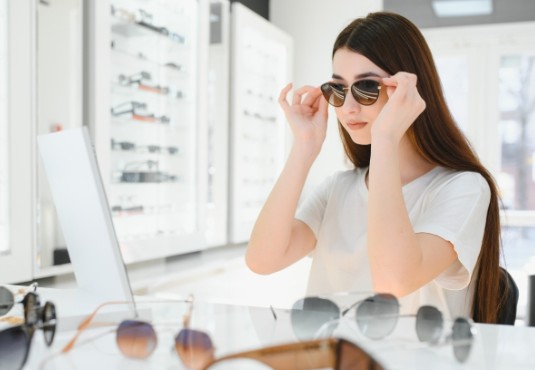
Most people treat sunglasses as a fashion accessory first and a health tool second — if they think of them that way at all. But their role in protecting your vision runs far deeper than aesthetics. From casual everyday frames to purpose-built performance models like oakley sunglasses, modern eyewear blends advanced lens technology with thoughtful structural design to make a real difference in both eye health and daily comfort. One of the most stubborn misconceptions out there is that darker lenses automatically mean stronger protection — they don’t. UV-blocking depends entirely on lens treatment, not how deep the tint goes. Knowing what actually matters puts you in a much better position to choose wisely.
Key takeaway: The right sunglasses protect your eyes from invisible radiation, reduce visual fatigue, and fit your specific activities — not just your outfit.
What Sunglasses Actually Protect You From
The primary threat sunglasses guard against is ultraviolet (UV) radiation — specifically UVA and UVB rays. Ophthalmology and public health organizations consistently link cumulative UV exposure to serious long-term conditions, including cataracts, macular degeneration, and photokeratitis (essentially a sunburn on the surface of the eye). These risks build up quietly over years, which is why consistent protection matters even on overcast days when the sun seems harmless.
Glare is a separate but equally practical concern. Reflected light bouncing off roads, water, and snow causes visual fatigue, slows reaction time, and creates real safety hazards — particularly while driving or spending time on the water. Polarized lenses cut through this reflected glare effectively, making them a smart choice for drivers and outdoor enthusiasts alike. One important caveat worth knowing: polarized lenses can interfere with LCD screens, which may be a consideration for pilots or anyone who regularly uses devices outdoors.
What to Look for When Buying
100% UVA/UVB protection — sometimes labeled UV400 — is the non-negotiable baseline for any pair worth your money. This designation means the lenses block wavelengths up to 400 nanometers, covering the full UV spectrum. Importantly, even lightly tinted or clear lenses can meet this standard when properly treated, so don’t let a pale tint fool you into thinking a lens is underperforming.
Lens material shapes both safety and optical quality in meaningful ways. Polycarbonate and Trivex lenses offer strong impact resistance, making them well-suited to sports, cycling, and demanding work environments. Glass lenses deliver superior optical clarity but come at the cost of added weight and lower impact resistance. CR-39 plastic sits somewhere in the middle — lightweight and optically clear, though less durable under serious stress.
Tint color, meanwhile, serves a functional purpose well beyond appearance. Grey tints reduce overall brightness without distorting colors, making them ideal for intense sunlight. Brown and amber tints enhance contrast in variable light conditions, which is particularly useful for driving or hiking. Yellow lenses improve visibility when light is low or the sky is overcast.
Matching Sunglasses to Your Lifestyle
A daily commuter who drives and occasionally steps outside has genuinely different needs than a trail runner or a construction worker. For everyday urban use, prioritize a comfortable fit, a moderate tint, and minimal color distortion. For outdoor sports, wraparound or curved frames offer better peripheral coverage, block wind, and stay put during movement when it counts. In occupational settings, certified safety standards and full coverage become just as critical as optical performance.
To put this in practical terms: someone who made the switch from casual fashion sunglasses to purpose-built sports frames for trail running reported a noticeable drop in eye strain and a clearer view of the terrain ahead — a direct result of a better-matched lens tint and a more secure, wraparound fit.
Getting the Fit Right
Even the best lenses underperform in frames that don’t fit properly. Gaps at the sides let UV light slip through; frames that slide create distraction and discomfort at the worst moments. Before committing to a pair, nod your head and turn it side to side — the frames should stay in place without pinching. An optician can fine-tune nose pads and temple arms for a more precise, protective fit if needed.
Common Myths Worth Knowing
Myth: Darker lenses offer more protection. This is simply false. A very dark lens without proper UV treatment can actually worsen your exposure by causing your pupils to dilate while harmful rays pass through unfiltered.
Myth: Price guarantees quality. Certified UV protection and a solid fit are available across a wide price range. Pay attention to the label, not the logo.
Making a Confident, Informed Choice
The most effective sunglasses offer 100% UV protection, use lens materials suited to your activities, fit securely without gaps, and match the environments you spend the most time in. Think of them as eye health equipment rather than accessories. If you have specific vision needs or work in high-exposure conditions, an optometrist can offer guidance tailored to your situation.
- Verify UV400 certification on the label
- Choose lens material based on your activity’s impact and clarity demands
- Confirm a secure, gap-free fit before buying
- Match tint color to your most common lighting conditions
Prioritize protection, clarity, and fit over logos and trends — and your eyes will thank you for years to come.

