

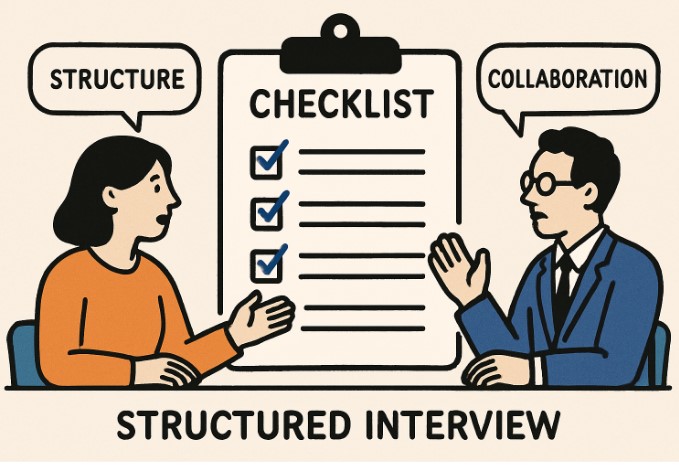
Designing a robust, repeatable interview structure is a cornerstone of modern hiring success. Without a standardized process, companies risk making inconsistent and biased decisions that can derail organizational growth. One of the foundational steps in this endeavor is developing a new hire checklist to ensure every essential detail, from onboarding to evaluation, is accounted for and streamlined. By adopting a systematic approach, businesses can significantly improve the fairness and effectiveness of their talent acquisition.
Leading organizations differentiate themselves by their commitment to objectivity and thoroughness when evaluating candidates. This means ensuring each step is clear and replicable and that all stakeholders are aligned and well-prepared for their roles in the process. When every interviewer follows the same guidelines, the experience becomes more predictable for candidates and more valuable for managers.
In this comprehensive guide, you’ll find clear, actionable steps to create a structured interview process that is easy to implement, maintains compliance with hiring standards, and leads to better hiring decisions. These strategies are built around industry best practices to support you in attracting and selecting top talent for your organization.
Conduct a Thorough Job Analysis
Begin your structured interview process by laying the groundwork: conduct a detailed job analysis for each position you plan to fill. This assessment should thoroughly define the tasks, responsibilities, and performance expectations, as well as the knowledge, skills, abilities, and other characteristics (KSAOs) required for success in the role.
Collaborate with hiring managers and current employees who understand the role deeply. Review past job descriptions, performance evaluations, and even outgoing employee feedback to clarify technical needs and cultural fit factors. This information will serve as the blueprint for the rest of your structured interview system, ensuring every decision is anchored in actual job requirements.
Develop Standardized Interview Questions
Using the KSAOs identified in your job analysis, create a series of structured interview questions for every candidate for the role. The most effective questions are behavioral (“Tell me about a time when…”) and situational (“How would you handle…”) prompts, as these enable candidates to demonstrate their abilities with real or hypothetical examples relevant to the position. By asking each candidate the same questions, you establish an even playing field for all applicants.
For instance, if problem-solving is a vital competency, a targeted question could be: “Describe a situation when you faced an unexpected challenge at work. What was your approach, and what did you learn from the experience?” Standardization allows interviewers to evaluate answers using the same criteria and ensures fairness.
Create a Consistent Rating Scale
Implement a clear rating scale aligned with each interview question to compare candidates objectively. Most organizations rely on a five-point Likert scale linking specific answers to a score that measures proficiency, relevance, and depth. For example:
- 1 – Unsatisfactory: The answer lacks detail or relevance.
- 2 – Below Average: The response is incomplete or only partially addresses the question.
- 3 – Average: The answer is sufficient, providing basic detail and relevance.
- 4 – Above Average: The candidate responds with insight, organization, and clarity.
- 5 – Excellent: The answer is exemplary, with thorough examples and context.
This objective approach not only simplifies comparison but helps shield against biases that often creep into subjective hiring decisions, ensuring that the same standards measure every candidate.
Train Interviewers on the Structured Process
Structured interviews are effective only when everyone who participates is properly trained. Train all interviewers in your process, ensuring they understand why consistency matters, are familiar with every standardized question, and can faithfully apply the rating scale. Training should also include recognizing and reducing unconscious bias and clarifying the legal and ethical requirements around fair interviewing.
Regular calibration meetings, where interviewers review sample candidate responses and discuss scoring together, can help maintain alignment and accuracy. Well-trained interviewers will be better prepared to interpret responses and ensure equitable hiring, ultimately protecting your organization legally and reputationally.
Continuously Evaluate and Refine the Process
A structured interview process is not a set-it-and-forget-it proposition. Achieving excellence requires ongoing monitoring, feedback, and iterative improvements. Collect feedback from both interviewers and candidates after each round of interviews. Analyze hiring outcomes: Are your new hires performing well? Is there consistency in the scoring? Are any questions or steps yielding ambiguous or unhelpful results?
Be prepared to make adjustments, from rewording questions to refining your rating scale to delivering more focused interviewer training. Continual refinement ensures that your interview process remains effective, relevant, and truly predictive of job success over time.
Final Thoughts
By following these five essential steps, any organization can develop a structured interview process that improves quality of hire, supports stronger compliance, and elevates the overall candidate experience. The time invested upfront in thoughtful planning and continuous improvement will pay off in more objective and confident hiring decisions, positioning your business for long-term success.

